EV Charging Basics
Plain-English explainers for the fundamentals — the charging levels, the connectors, and how Level 2 actually works — that route you to the right charger.
Before you can pick the right charger, it helps to understand the vocabulary the listings throw at you: Level 1, Level 2, DC fast; J1772, NACS, CCS; amps, kW, miles per hour. None of it is complicated once someone explains it plainly — but the industry rarely does, and the confusion is why people either overbuy or hesitate. These guides fix that, in plain English, with no jargon left undefined.
This is the top of the funnel: education first, then a clear pointer to the buying guide the knowledge leads to. Learn how the charging levels differ and you’ll know why Level 2 belongs in your garage; understand the connector shift and you’ll stop worrying about NACS. Each guide ends where it should — at the roundup or review that turns what you just learned into a purchase.
The newest guides here take on four questions the category tends to answer badly: whether Level 2 charging is hard on your battery (it is not, and we show the published charging rates rather than reassuring you), the voltage half of the power equation, whether charging cables are universal, and whether you can unplug a car mid-charge. If you would rather browse everything at once, the full sitemap lists every page we publish.
Everything in Guides
Types of EV Chargers Explained (Level 1, 2 and DC Fast)
The three charging levels, how fast each one really is, and which one belongs in your garage — with a one-glance speed table.
Level 1 vs Level 2 Charging
Why the free 120V cable that came with your car isn't enough for most drivers — and the miles-per-hour math that makes the case for 240V.
J1772 vs NACS: EV Connectors Explained
The post-2025 connector shift in plain terms — what plugs into what, why adapters make it a non-issue at home, and what to buy today.
How Level 2 EV Charging Actually Works
The charger on your wall isn't the charger. What the box, the cable and the car each do, and why that explains almost every question people ask about speed.
AC vs DC Charging Explained
Home charging is AC and fast charging is DC — a difference that lives inside your car, sets every speed limit you'll meet, and explains why home units stop where they do.
How Long Does It Take to Charge an EV at Home?
The one formula that answers it for any car and any charger, worked through for Level 1, 40 amps and 48 amps — plus why nobody charges from 0 to 100 anyway.
What Size EV Charger Do I Need?
Three numbers decide it: what your panel can spare, what your car will accept, and how many miles you drive. Work them in that order and the answer is usually obvious.
UL, ETL and ENERGY STAR on EV Chargers
What the listing marks on the box actually certify, why an uncertified charger can fail an inspection, and the one label that saves you money rather than keeping you safe.
Bidirectional Charging & Vehicle-to-Home Explained
Your car holds more energy than a house battery. What it takes to run the house from it, which parts are real today, and why almost none of it works with an ordinary Level 2 charger.
Level 1 Charging Explained
The cord in the trunk, plugged into an ordinary outlet. About 1.4 kW and 3-5 miles of range an hour — which is useless for some drivers and quietly sufficient for others.
The Charger Is Inside Your Car
The box on the wall is a switch, not a charger. Your car's onboard charger sets the real ceiling on home charging speed — and it's the number most buyers never look up.
NEMA and IP Ratings for EV Chargers
NEMA 3R, NEMA 4, IP66, IP67 — what each one is actually tested against, why a higher number isn't always better, and which rating a driveway really needs.
EV Plug and Outlet Types: The Full Reference
Two different questions get confused constantly — what plugs into the car, and what the charger plugs into. Both sides, every common type, in one table.
What Happens When You Plug In
Between plugging in and current flowing, the charger and the car hold a conversation over a single pilot wire. Knowing it turns most charging faults into a two-minute diagnosis.
How to Choose a Level 2 EV Charger
Seven questions, in the order they actually eliminate chargers: your panel, your car, plug or hardwire, connector, reach, weather and whether you want an app. Answer them and the shortlist writes itself.
Can You Use an Extension Cord With an EV Charger?
The short answer is that the manufacturers say not to, and the reasons are physical rather than legal. Why a Level 2 load is different, what actually happens to a cord under it, and the two fixes that solve the reach problem properly.
Can an EV Charger Get Wet?
Rain, snow, a hose, a connector left lying in a puddle. What an outdoor-rated charger is actually sealed against, which part of the system is the weak point, and the mounting mistake that voids the rating you paid for.
How Long Does a Home EV Charger Last?
No manufacturer publishes a service life, so the warranty is the only durability figure you can hold them to - and on the fastest charger we list, the cable and connector are covered for one year against five for the box.
Is It OK to Leave an EV Plugged In?
Plugged in and charging are two different states, and the confusion behind this question is worth clearing up: what the car does once it is full, what the charger draws while it waits, and the one habit that genuinely costs you money.
One Charger for a Tesla and a Non-Tesla
Two cars, two plug shapes. The three ways to cover both from one circuit — a dual-cable unit, one charger plus the adapter you already own, or picking the connector by which car gets the driveway — and the one that costs nothing.
How Many Amps Does an EV Charger Use?
Three different numbers get called "the amps": what the charger is rated for, what it actually draws, and what the breaker has to be. Getting them mixed up is how people buy a charger their panel cannot feed.
Can You Charge an EV With a Generator?
Sometimes, slowly, and not with the generator most people already own. The three things an EV charger needs from a power source, why a floating neutral stops the session before it starts, and what the fuel actually costs per mile.
Why You Cannot Buy a 22 kW Home Charger in the US
22 kW is a three-phase number, and US homes are single-phase. What that means for the specs you read on European sites, what the real American ceiling is, and why almost nobody should chase it anyway.
Is Level 2 Charging Bad for Your Battery?
No - and the reason is arithmetic rather than reassurance. A home charger moves at most 19.2 kW into a pack designed for several times that on a DC fast charger. What the Department of Energy actually publishes, and what nobody can tell you.
EV Charger Voltage and Power Requirements
Volts times amps is the whole story, and the volts are the half nobody checks. Why a 48-amp charger makes 11.5 kW at a house and only 10 kW in a lot of apartment buildings, and how to tell which you have.
Are EV Charging Cables Universal?
Two connectors cover every new car sold in the US, and one of them has an adapter problem that two automakers warn about in writing. What is interchangeable, what is rated for your amperage, and what should never be swapped.
Can You Unplug an EV While It's Charging?
Yes, and the handshake built into the connector is why it is safe. What actually happens in the half-second after you squeeze the latch, why the car can refuse, and how to stop a stranger doing it on your driveway.

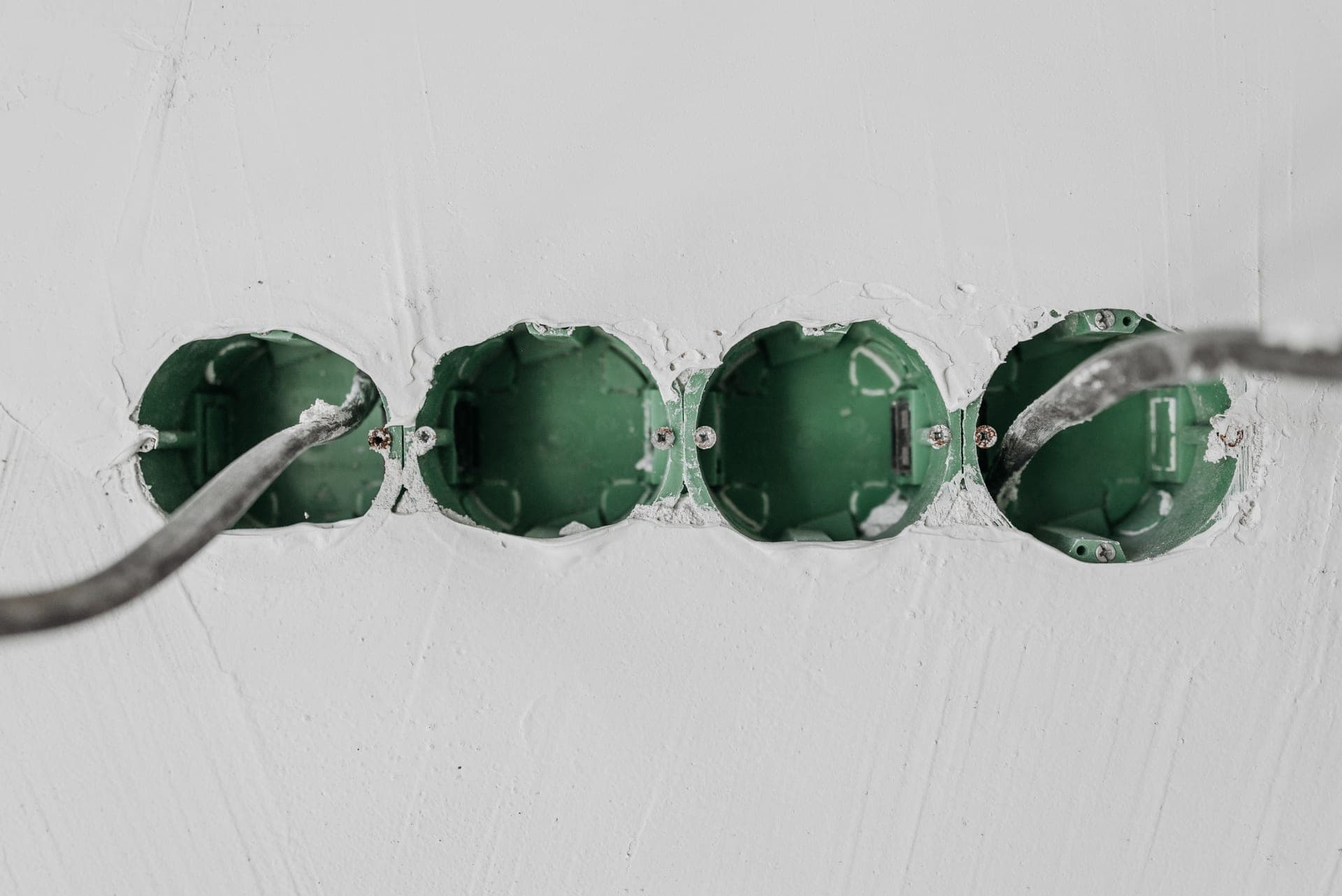
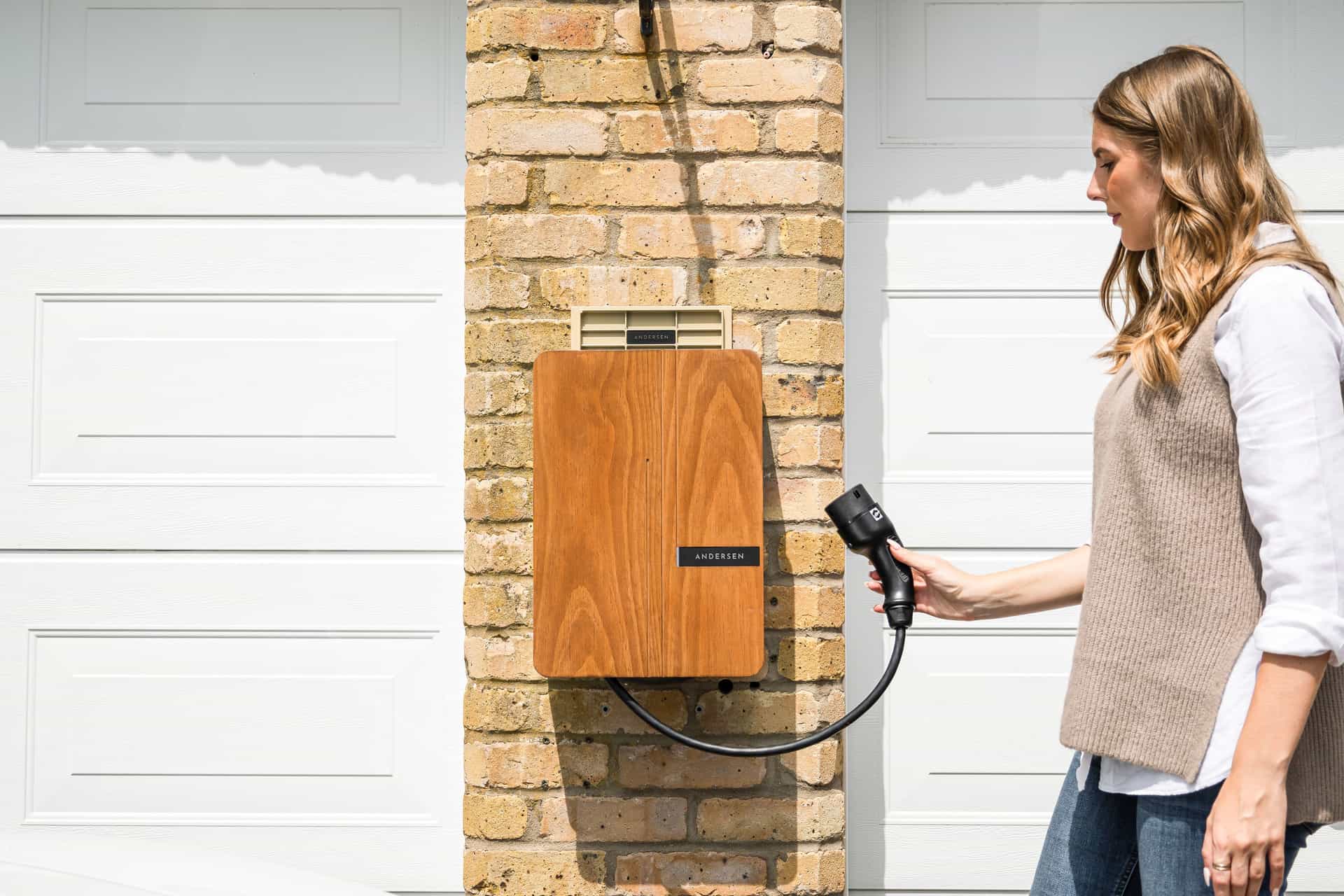
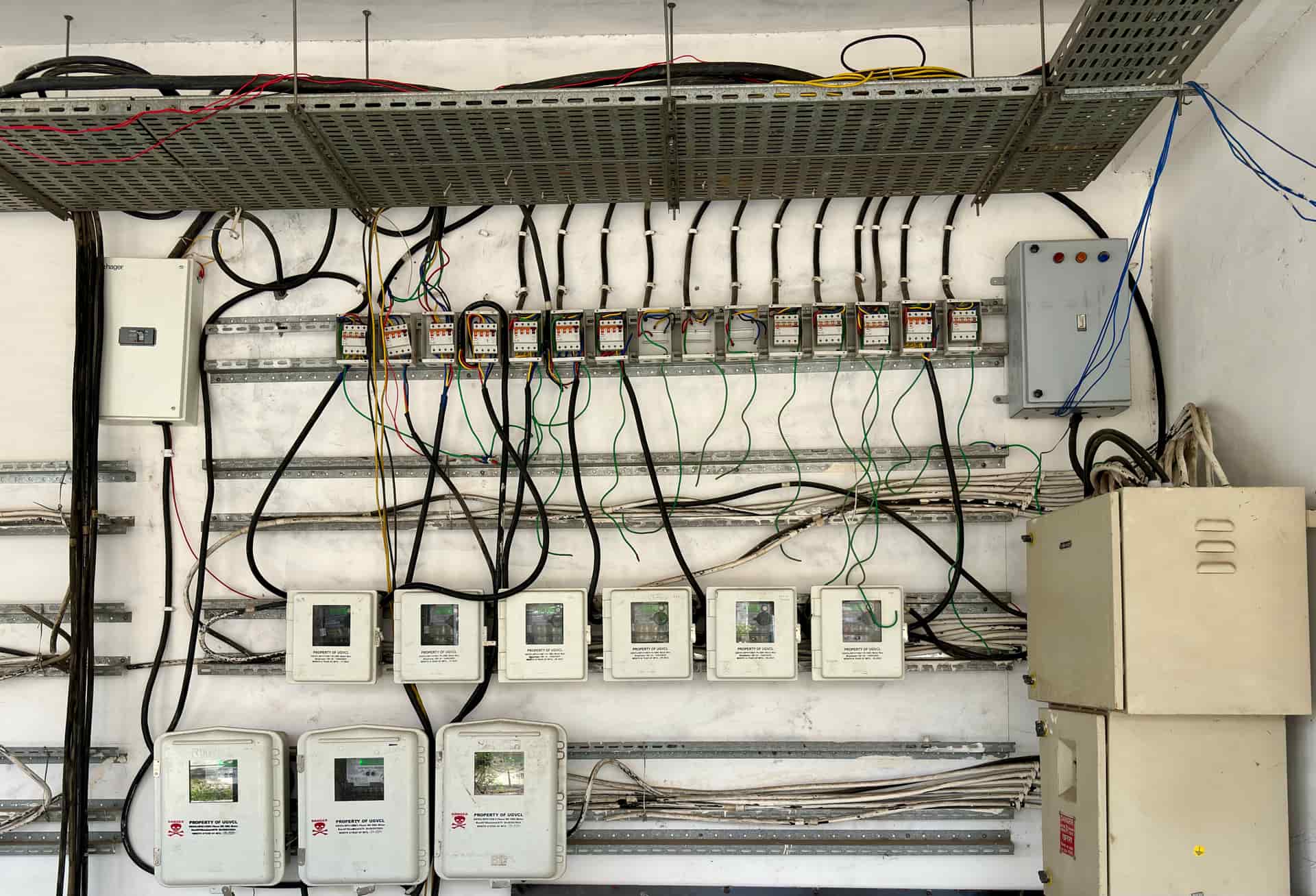
Start with the three charging levels
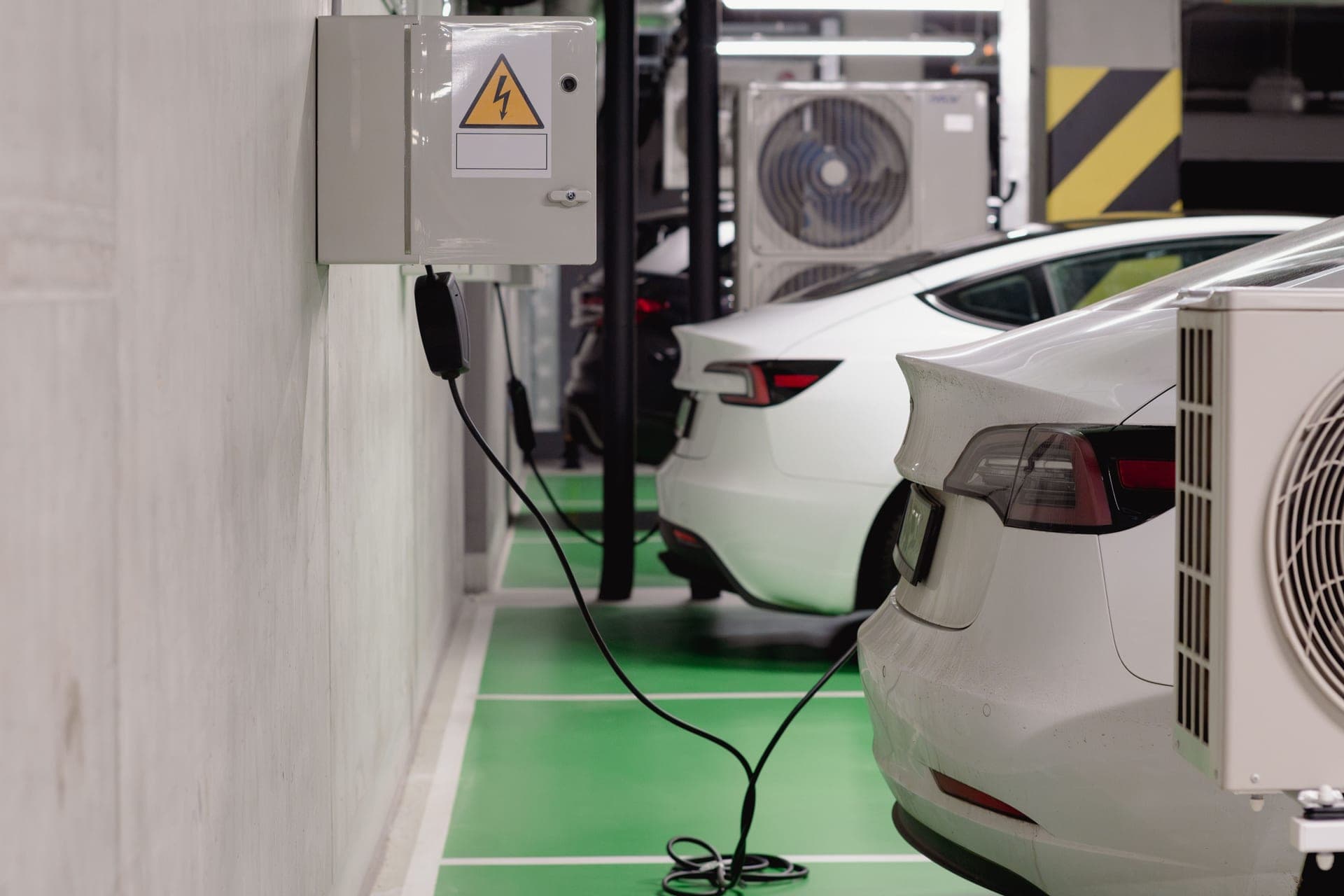
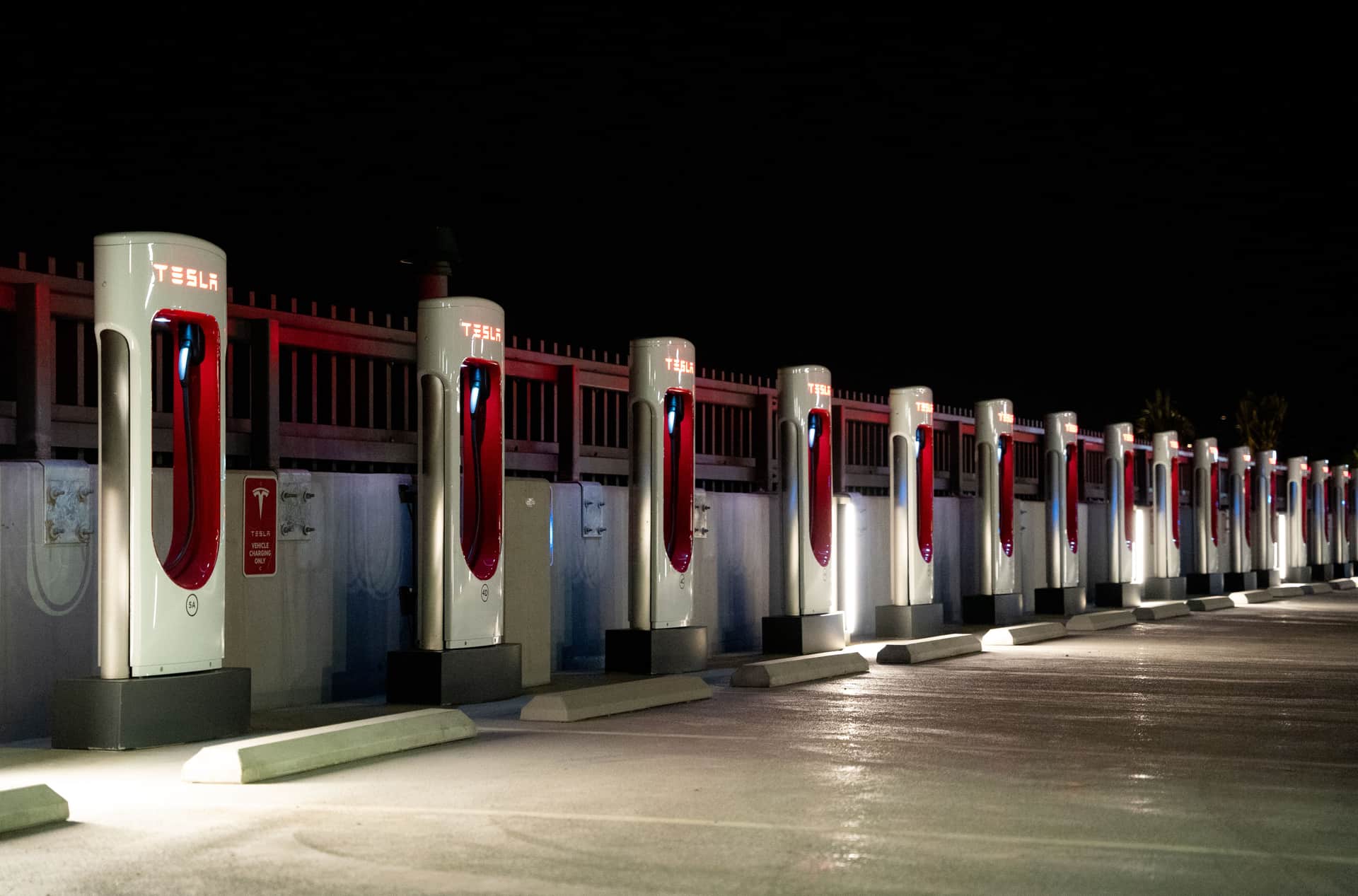
Everything else builds on this. Level 1is the cord that came with your car, plugged into a normal 120V outlet — it adds only about 3–5 miles of range per hour, fine as a backup but too slow for most drivers. Level 2is the 240V home charger this whole site is about, adding roughly 25–40+ miles per hour — enough to refill overnight. DC fast chargingis the high-power public stuff you use on road trips; it’s not something you install at home. Our types-of-chargers guide lays all three out with a speed table.
Then sort out the connectors
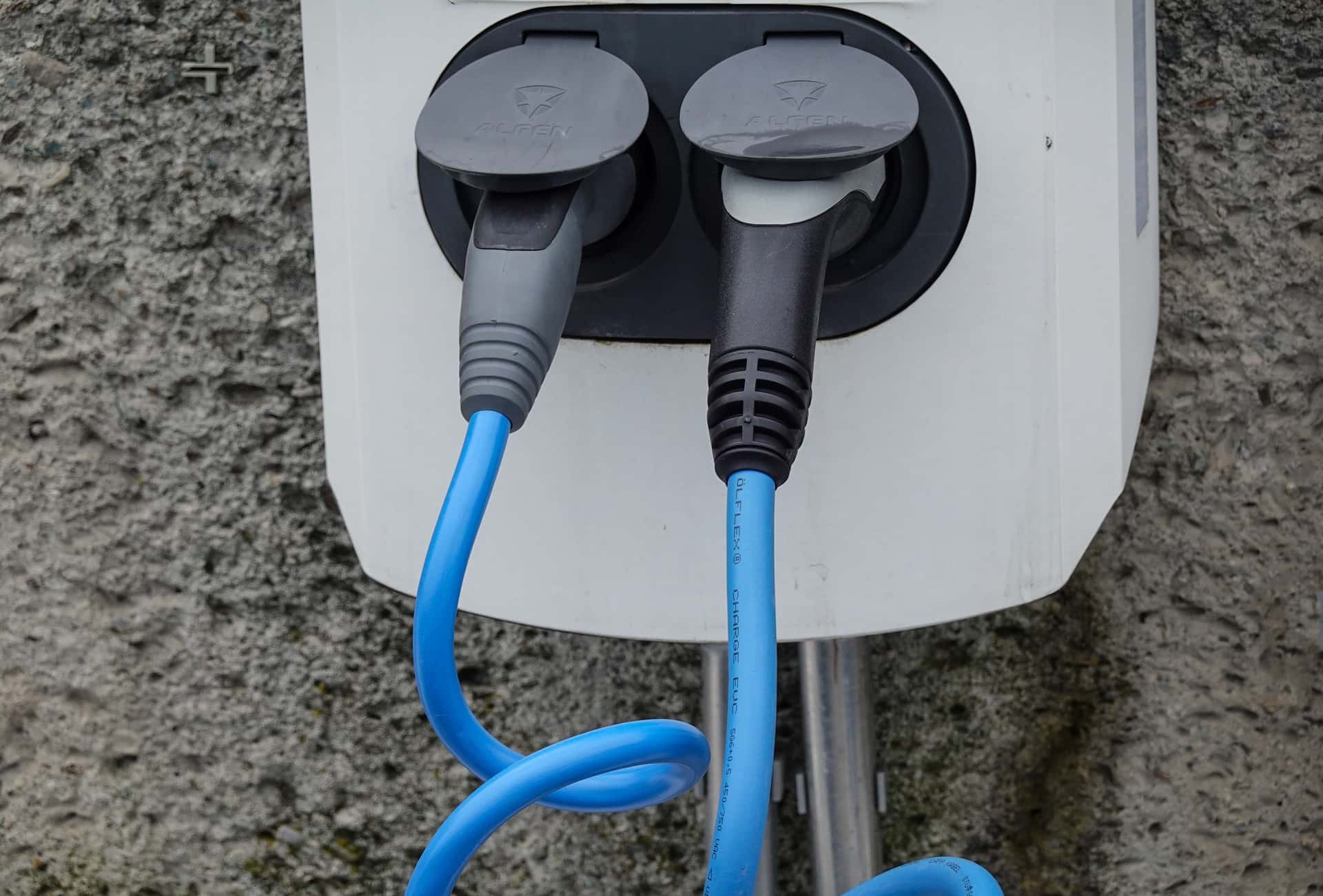
The connector question sounds scarier than it is. In North America, most EVs have used the J1772 plug for Level 2, while Tesla used its own, now standardized as NACS. Automakers are moving to NACS, but adapters bridge the two cheaply in both directions, so at home it’s a convenience choice, not a compatibility wall. Our J1772-vs-NACS guide explains exactly what plugs into what and what to buy today.
Understand what “Level 2” really means
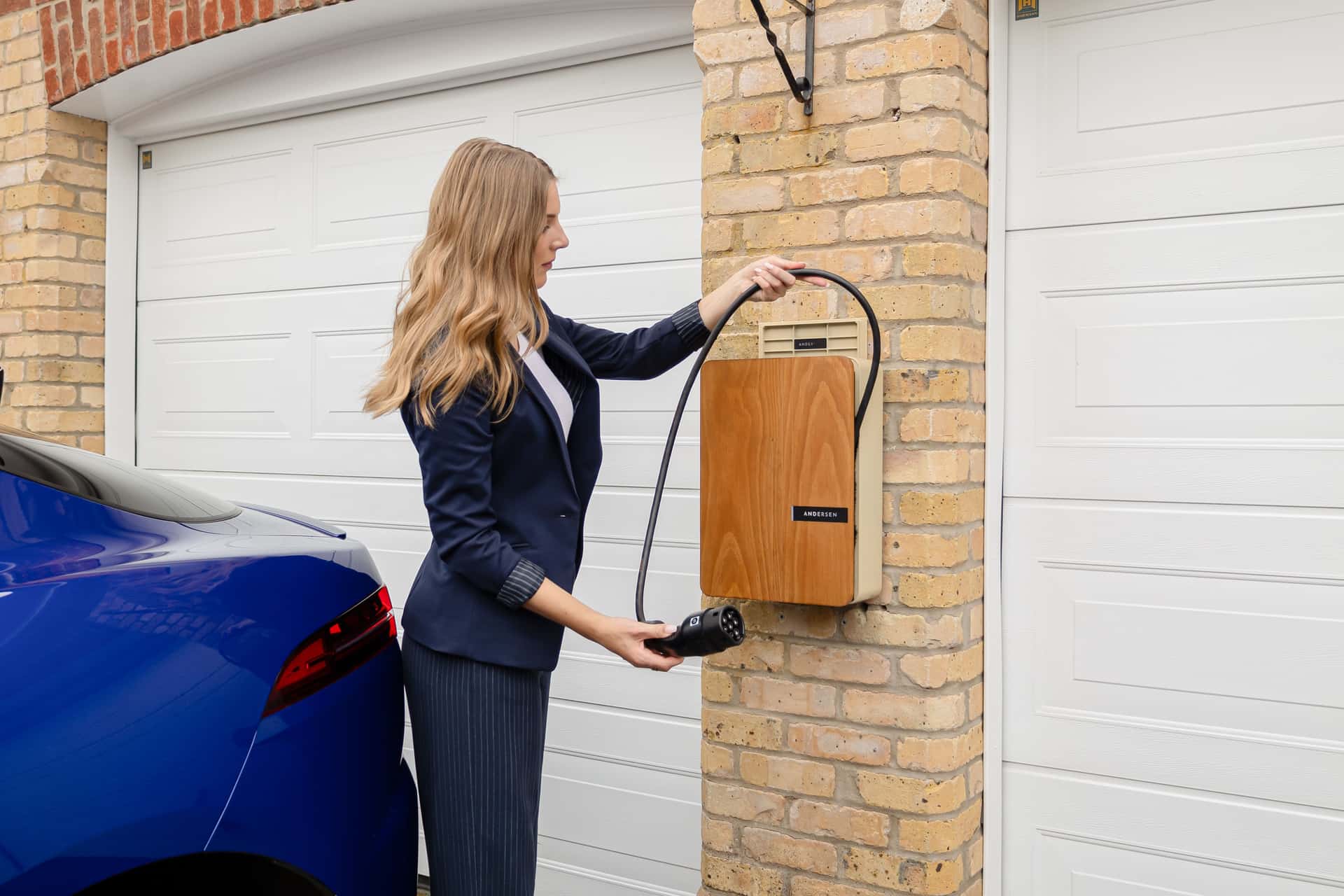
“Level 2” just means 240 volts — the same supply as your dryer or oven. That’s the entire reason it charges four to ten times faster than the 120V Level 1 cord: double the voltage, plus more amps. Grasp that and the spec sheets stop being intimidating; amps × volts is just power, and power is charging speed. Our Level 1 vs Level 2 guide shows the miles-per-hour math that makes the case for 240V.
From basics to a buying decision
The point of learning this isn’t trivia — it’s to buy confidently. Once you know your car’s connector, the amperage your panel can support, and how fast Level 2 really is, choosing a specific charger is straightforward. Every guide here funnels toward that decision, so you never learn in a vacuum. If you want the mechanics behind the specs, start with how Level 2 charging actually works — the box on your wall isn’t the charger, and that one fact answers most speed questions. From there, AC vs DC charging explains why home charging tops out where it does, and how long charging takes turns it all into a number for your own car.
The three that turn understanding into a purchase
When you are ready to actually choose, what size charger do I need is the one to read: three numbers — your panel, your car and your mileage — taken in the right order. UL, ETL and ENERGY STAR decodes the marks on the box, including the one you should never compromise on and the one that is regularly mistaken for a safety claim. And if you have been reading about running your house from your car, bidirectional charging and V2H explains what is real today and why none of it works with an ordinary Level 2 charger. If you would rather have the whole decision as a checklist, how to choose a Level 2 charger asks seven questions in the order they eliminate chargers. Two narrower questions get their own pages: whether an extension cord is ever acceptable (the manufacturers say no, and the reasons are physical) and how one charger serves a Tesla and a non-Tesla, which usually costs nothing beyond the charger.
The questions owners ask after they buy
Three of the guides here exist because they are the things people search for once the charger is on the wall. Can an EV charger get wet? separates rain from hose water from immersion, and names the mounting mistake that voids the rating you paid for. Is it OK to leave an EV plugged in? untangles the confusion between “plugged in” and “charging,” and explains why the DOE recommends staying connected in a cold snap. And how long does a home charger last? is the honest answer to a question no manufacturer publishes — with the one brand whose own warranty tells you which part it expects to fail.
Numbers, and where they come from
Three more guides deal with figures that get quoted without provenance. How many amps does an EV charger use? separates the three different numbers that all get called “the amps” — the rating on the box, the current it actually draws, and the breaker and wire behind it — and gives you the one line of arithmetic that converts between them. Why you cannot buy a 22 kW home charger in the US explains a figure that turns up constantly in European reviews: it describes a three-phase 400-volt supply American houses do not have, and our real ceiling is 19.2 kW. And can you charge an EV with a generator? works through the three things a charger needs from any power source, including the floating neutral that defeats most attempts — and states plainly that not one manufacturer in our registry publishes a word about generator use.
Frequently asked questions
What's the difference between Level 1 and Level 2 charging?
Level 1 uses a standard 120V outlet and adds about 3-5 miles of range per hour — slow. Level 2 uses a 240V circuit and adds roughly 25-40+ miles per hour, enough to fully recharge overnight. Level 2 is what most owners install at home.
What is a Level 2 charger, exactly?
It's a 240-volt home charging station — the same voltage as an electric dryer. The higher voltage (plus more amps) is why it charges four to ten times faster than the 120V cord that ships with the car.
Do I need to worry about J1772 vs NACS?
Not much. Most non-Tesla EVs use J1772 and Teslas use NACS, but cheap adapters bridge the two in both directions. At home, buy the connector that matches your car (or a J1772 unit plus your Tesla's adapter) and it just works.
Sources
- U.S. DOE Alternative Fuels Data Center — Electric Vehicle Charging Stations — US DOE on charging levels: Level 1 (~1.9 kW, ~5 mi/hr), Level 2 (2.9-19.2 kW, ~7.2 kW typical residential, ~25 mi/hr), and DC fast charging (accessed July 19, 2026)
- U.S. DOE Alternative Fuels Data Center — Electric Vehicles for Consumers — US DOE on connector types: J1772 for Level 1/2, and CCS, CHAdeMO or NACS (J3400) for DC fast charging (accessed July 19, 2026)
- SAE International — J1772 Conductive Charge Coupler — The SAE J1772 connector standard for AC Level 1 and Level 2 charging in North America (accessed July 19, 2026)
- SAE International — J3400 North American Charging System (NACS) — The SAE J3400 / NACS standard (the Tesla-derived connector) now being adopted industry-wide (accessed July 19, 2026)