EV Charger Reviews
In-depth, single-charger reviews — full specs, charging-speed math, who it's for and who should skip it. The models that show up across every serious roundup.
A roundup tells you which charger wins its category; a review tells you what it’s actually like to live with. These are the deep dives — one charger at a time, the full spec sheet, the charging-speed math for a typical EV, the install requirements, and the honest answer to “who should buy this and who should skip it.” We cover the models that show up across every serious roundup, because those are the ones you’re actually choosing between.
Each review is built the same way: specs read from the manufacturer’s datasheet on a dated visit, a live price you can act on, and a verdict reasoned from those facts — never from a bench test we didn’t run. Where a brand doesn’t publish a figure, we say so rather than guessing. And every review links back to the roundups the charger appears in, so you can see how it stacks up against its rivals.
Everything in Reviews
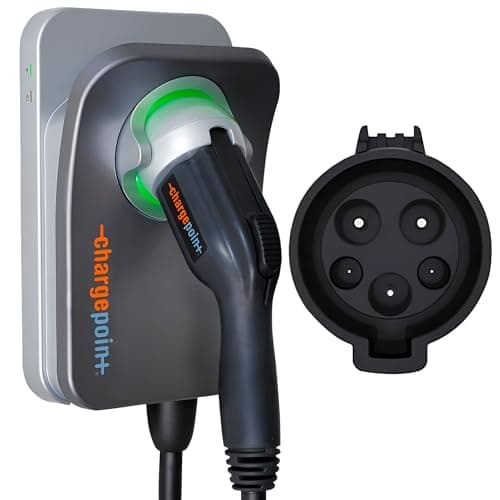
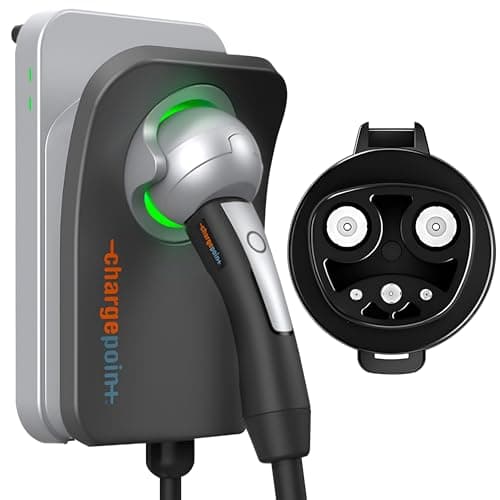
ChargePoint Home Flex Review
The flexible-amperage smart charger that headlines most roundups — what the 50-amp ceiling, big app and long warranty get you, and what they cost.
Our top pick
ChargePoint Home Flex
$516.71 · View on AmazonPrice as of October 18, 2026. #ad How we’re funded
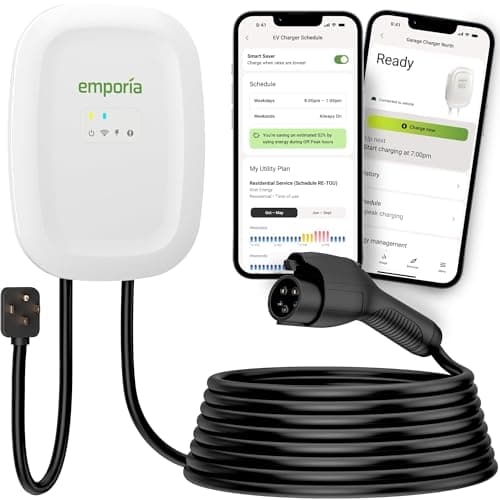
Emporia Level 2 EV Charger Review
48 amps, energy monitoring and an ENERGY STAR listing for a value price — the smart charger that undercuts the big names, with the catches spelled out.
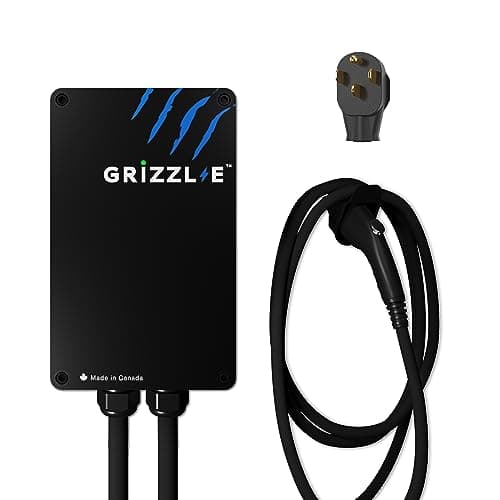
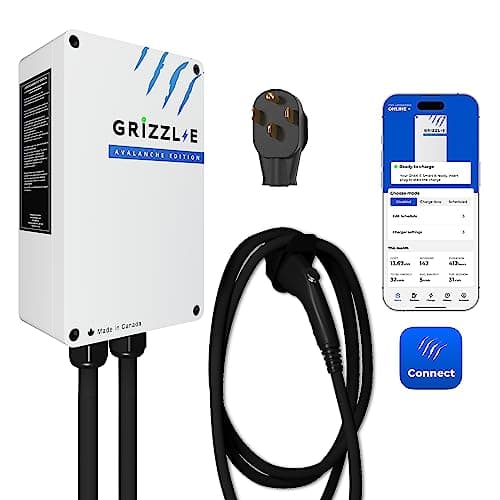
Grizzl-E Classic Review
The rugged, no-app aluminum workhorse: 40 amps on a NEMA 14-50 or 6-50 plug, IP67-sealed and rated to -22F, with nothing to log into and no firmware to fail.
Our top pick
Grizzl-E Classic
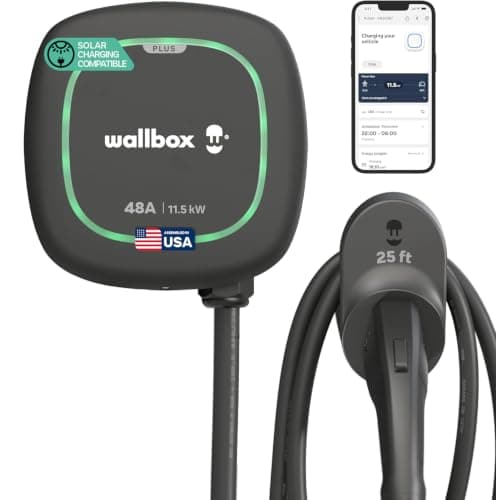
Wallbox Pulsar Plus Review
One of the most compact 48-amp chargers you can buy, with dynamic load management and a NACS option — a premium smart unit, priced like one.
Our top pick
Wallbox Pulsar Plus
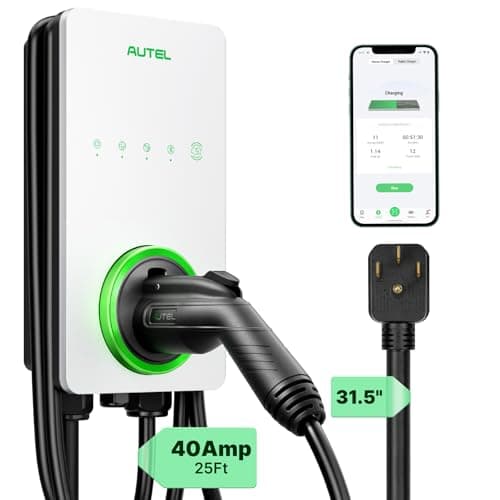
Autel MaxiCharger Home Review
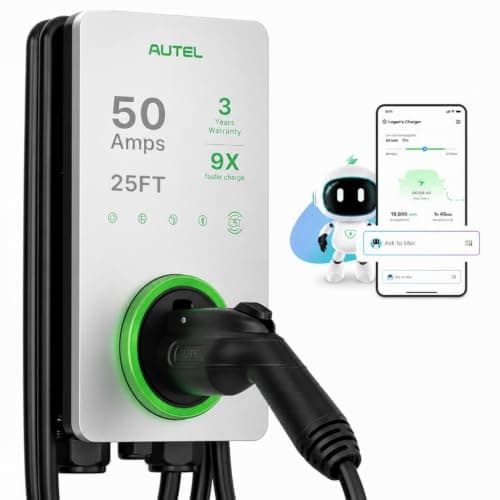
A NEMA 4X enclosure rated to -40F, a full 50 amps and a capable app — the charger for a wall that gets weather, reviewed spec by spec.
Our top pick
Autel MaxiCharger Home
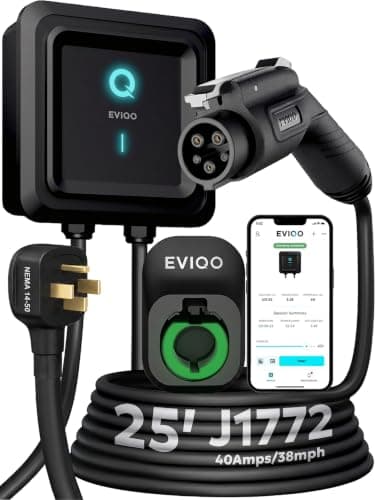
EVIQO 48A Level 2 Charger Review
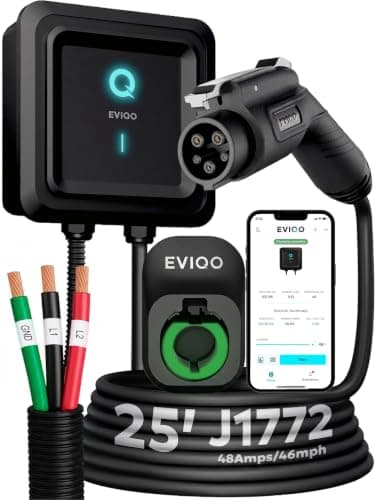
48 amps, ENERGY STAR, a WiFi app and the longest usable reach in its class for a value price — what the smaller brand costs you, and what it doesn't.
Our top pick
EVIQO 48A Level 2 Charger
Grizzl-E Ultimate 48A Review
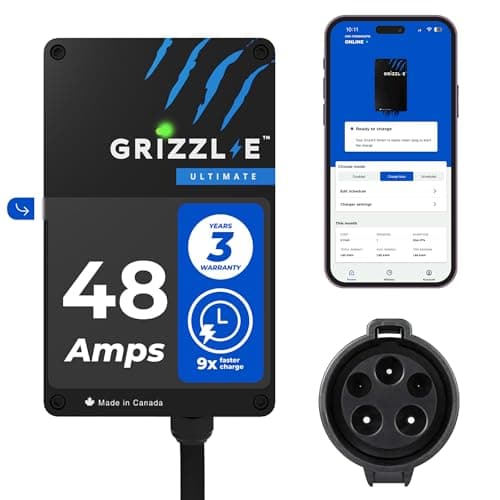
Grizzl-E's cast-aluminum, IP67 build pushed to a full 11.5 kW: 48 amps hardwired, a DIP switch instead of a setup wizard, and a cable made to bend when it's cold.
Our top pick
Grizzl-E Ultimate 48A
$479.99 · View on AmazonPrice as of October 18, 2026. #ad How we’re funded
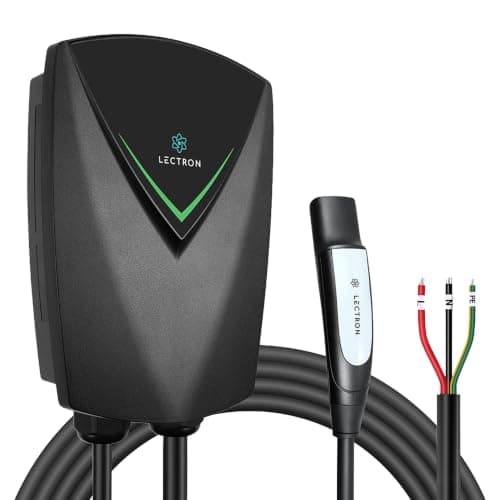
Lectron Nexus 48A Review
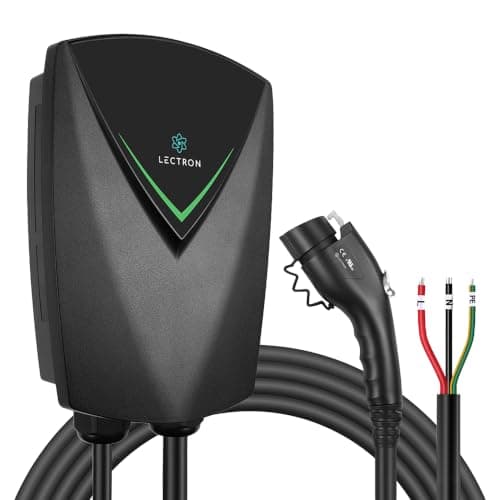
A full 48 amps hardwired on J1772, with no app and no account — IP66, ENERGY STAR, and a cable built to stay flexible in the cold. The 48-amp charger for people who want nothing to log into.
Our top pick
Lectron Nexus 48A J1772
$449.99 · View on AmazonPrice as of October 18, 2026. #ad How we’re funded
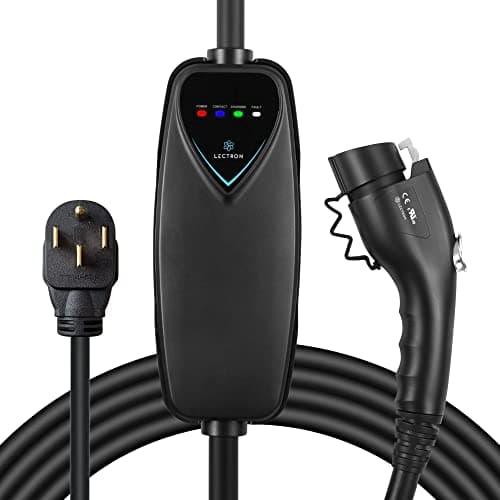
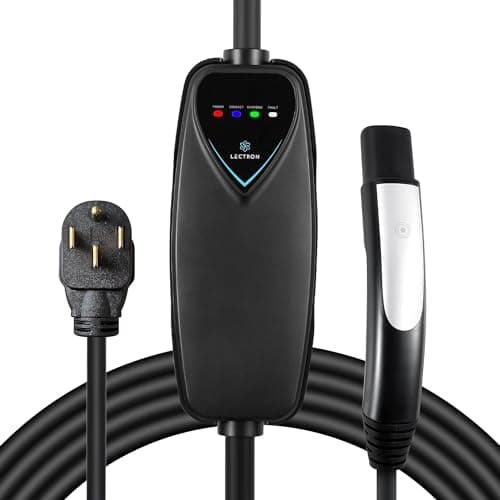
Lectron 40A Portable Level 2 Charger Review
The cheapest honest route into real 240V charging: a genuine 40 amps on a NEMA 14-50 plug, in a unit you can unplug and take with you. Here's what the low price costs.
Our top pick
Lectron 40A Portable Level 2 Charger
$269.99 · View on AmazonPrice as of October 18, 2026. #ad How we’re funded
Lectron Nexus NACS Charger Review
A native NACS plug that goes straight into a Tesla with no adapter, at a full 48 amps — and why the missing app matters less than you'd think.
Our top pick
Lectron Nexus NACS (Tesla) Charger
$449.99 · View on AmazonPrice as of October 18, 2026. #ad How we’re funded
ChargePoint Home Flex NACS Review
The Home Flex hardware with a factory Tesla plug — adjustable 16-50A, the most mature app in the category, and a premium you're paying specifically to skip an adapter.
Our top pick
ChargePoint Home Flex NACS
$516.71 · View on AmazonPrice as of October 18, 2026. #ad How we’re funded
EVIQO 40A Plug-In Charger Review
EVIQO's hardwired 48A unit, rebuilt around a NEMA 14-50 plug: the same app, the same 25 ft cable and ENERGY STAR listing, minus the electrician — and minus 8 amps.
Our top pick
EVIQO 40A NEMA 14-50 Charger
Grizzl-E Classic Connect 40A Review
The cast-aluminum, IP67 Grizzl-E build with WiFi and the Connect app added — and a DIP switch still setting the amps. The plug-in charger that replaced the discontinued Grizzl-E Smart.
Our top pick
Grizzl-E Classic Connect 40A
$349.99 · View on AmazonPrice as of October 18, 2026. #ad How we’re funded
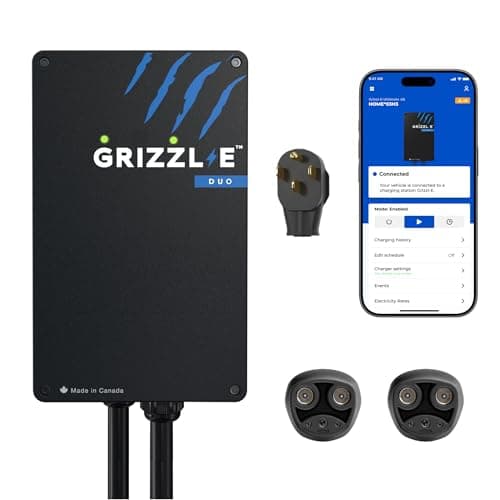
Grizzl-E Duo Connect 40A Review
Two cables, one 40-amp circuit. The dual-port charger for a two-EV household — and the halved charging speed that is the price of not running a second circuit.
Our top pick
Grizzl-E Duo Connect 40A
$899.99 · View on AmazonPrice as of October 18, 2026. #ad How we’re funded
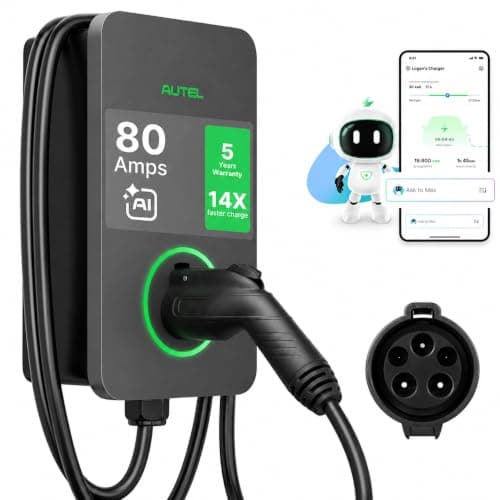
Autel MaxiCharger 80A Review
19.2 kW is the ceiling of home AC charging, and this is how you buy it. The catch isn't the charger — it's the 100-amp circuit and the car that has to accept 80 amps.
Our top pick
Autel MaxiCharger 80A
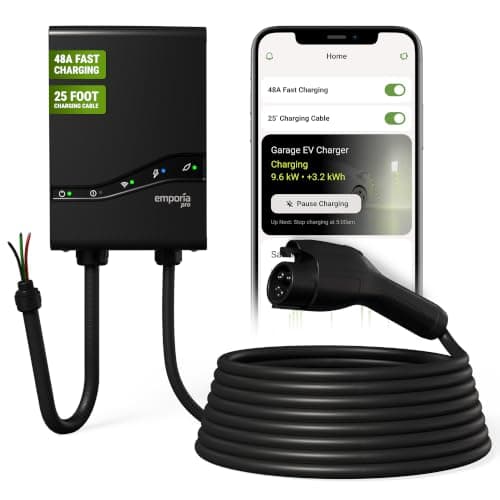
Emporia Pro Review
The 48-amp charger that ships with an energy monitor in the box. PowerSmart watches the whole house and throttles the car so a panel with no spare capacity can still host a big charger.
Autel MaxiCharger AC Elite Home 40A Review
Autel's weather-rated hardware with a NEMA 14-50 plug on the end. The 50-amp MaxiCharger's install-anywhere sibling — and the two specs Autel doesn't publish for it.
Our top pick
Autel MaxiCharger AC Elite Home 40A
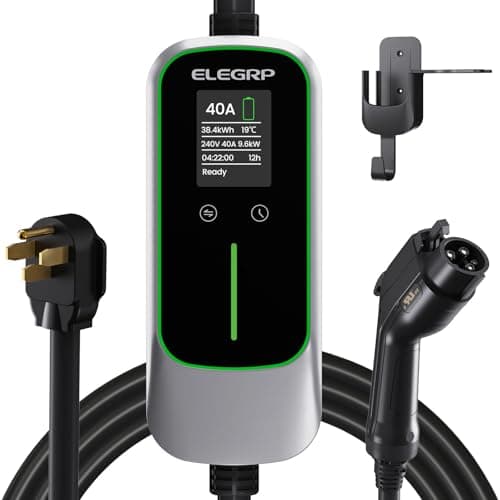
ELEGRP 40A Portable Level 2 Charger Review
The cheapest full 40 amps we can find, and it doesn't feel like one: a 25-foot cable, an IP67 station rated to -22°F and a delay timer. Where the money actually came out.
Our top pick
ELEGRP 40A Portable Level 2 Charger
$209.99 · View on AmazonPrice as of October 18, 2026. #ad How we’re funded
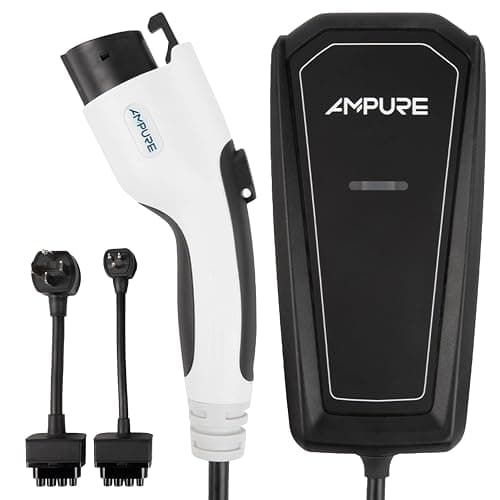
Ampure Go Portable Level 2 Charger Review
The only portable we track that is certified like a permanent install — UL 2594, ENERGY STAR and an IP67 / NEMA 6P body rated to -22°F. It gives up eight amps to get there, and Kia names it on its own EV pages.
Our top pick
Ampure Go Portable Level 2 Charger
$299.00 · View on AmazonPrice as of October 18, 2026. #ad How we’re funded
Lectron Portable Level 2 Tesla Charger Review
A full 40 amps with a native NACS plug on the end, in a module you can throw in the trunk — and the shortest spec sheet of any charger we track. What Lectron publishes, what it doesn't, and the three figures its own pages disagree on.
Our top pick
Lectron Portable Level 2 Tesla Charger (NACS)
How to read a charger writeup
Skip to the spec table first. Four numbers do most of the work: max amps (which sets charging speed and the circuit you’ll need), connector (J1772 for most EVs, NACS for Tesla), install type (plug-in NEMA 14-50 or hardwired), and cable length (measure the run from where the charger will mount to where your car’s charge port sits — a 16-foot cable that can’t reach is a daily annoyance). Warranty, weather rating and whether it has an app round out the picture.
What a spec sheet can’t tell you
Real-world charging speed depends on your specific car and the outside temperature, and long-term reliability only shows up over years of ownership. We don’t own these units, so we won’t pretend to report either from experience. What we can do is compare published specs honestly, compute what the amperage means in miles per hour, and flag the trade-offs the marketing skips.
Match the charger to your situation
If you want one charger that fits any panel and a polished app, the ChargePoint Home Flex is the safe default. If value matters most, the Emporia undercuts it with a real app. If your charger lives outside in a harsh climate and you never want to touch an app, the Lectron Nexus 48A is built for exactly that. And if wall space is tight, the Wallbox Pulsar Plus is one of the smallest 48-amp units you can buy.
Beyond those four, the Autel MaxiCharger is the one to specify when the wall takes real weather, the Lectron Nexus 48A is the no-app option at the top of the amperage range, the EVIQO 48A is the value 48-amp charger with the longest usable reach, the Lectron Nexus NACS puts a native Tesla plug on the wall, and the Lectron 40A portable is the cheapest honest way into real Level 2 charging.
Five more sit slightly off the mainstream and answer more specific questions. The ChargePoint Home Flex NACS is the Home Flex with a factory Tesla plug; the EVIQO 40A plug-in is the same charger as the 48A without the electrician; the Grizzl-E Classic Connect puts WiFi and an app into Grizzl-E’s cast-aluminum build; the Grizzl-E Duo Connect charges two cars from one circuit; and the Autel MaxiCharger 80A is the ceiling of home AC charging, for the rare house and car that can use it.
And one sits outside the wall-mounted field entirely. The Ampure Gois the only portable we track that is certified like a permanent install — UL 2594, UL 2231 and UL 817 plus ENERGY STAR, an IP67 / NEMA 6P body rated from -22°F, and dual voltage, so one device covers a 240-volt outlet at home and an ordinary household socket on the road. It gives up eight amps to get there, and it is one of only two chargers an automaker names on its own vehicle pages. Newest here, and its opposite in almost every way: the Lectron portable Tesla chargeris the only portable we track with a native NACS connector and a full 40 amps — and the one whose maker publishes no enclosure rating, no temperature range and no warranty term.
Frequently asked questions
How do you review a charger you haven't tested?
We compare each unit on its published specs, compute charging speed and cost from those numbers, and apply the electrical code — all cited and dated. We state plainly that we haven't bench-tested them, which is more honest than a 'we tested 20 units' claim you can't verify.
Which charger brand is most reliable?
Long-term reliability is hard to prove without years of ownership data we don't have. What we can say is that a genuine UL or ETL safety listing, a solid warranty, and a weatherproof enclosure are the specs that correlate with fewer problems — and we note all three in every review.
Are these chargers on Amazon genuine?
The ones we review are sold by the brand or an authorized seller and carry a real safety listing. We link to the current Amazon listing and pull the live price; always confirm the seller and price on the product page before buying.