Level 2 EV Charger Installation
What a home Level 2 install actually costs and involves — hardware, labor, permits, panel capacity and the NEMA 14-50 outlet — before you call an electrician.
The charger is often the cheapest part of getting Level 2 charging at home. What varies — sometimes by thousands of dollars — is the electrical work behind it: the circuit, the breaker, the wiring run, the permit, and whether your panel has room to spare. This is where buyers get blindsided, because the sticker price of a charger tells you almost nothing about the total cost of a working setup in your garage.
These guides walk the whole job before you call an electrician, so you arrive at the quote knowing what you’re looking at: what a typical install costs and what moves the number, whether your panel can carry the load or needs an upgrade, and what a NEMA 14-50 outlet is and when to plug in versus hardwire. We’re enthusiasts, not electricians — the actual work must follow the National Electrical Code and be done by (or inspected for) a licensed pro. Our job is to make you an informed customer.
Two recent additions answer the questions people ask once the first quote arrives: how long the whole thing actually takes, stage by stage and including the clocks your electrician does not control, and whether the circuit needs a neutral conductor— which is decided by the receptacle rather than by the charger, and is cheap to get right before the conduit is filled and expensive afterwards. The running-costs section covers what happens once the install is signed off.
Everything in Installation
Level 2 EV Charger Installation Cost
A line-by-line breakdown of what it costs to install a home charger — hardware, labor, permit and the panel-upgrade wildcard — with the numbers that move it.
EV Charger Installation Cost by State
The install bill is mostly labor, and labor is priced locally. Every state's electrician wage from BLS, turned into a labor estimate and an all-in range — with the arithmetic shown.
Does Your Electrical Panel Have Room for a Charger?
The NEC 80% continuous-load rule in plain English, a simple load-check you can do yourself, and when a load manager avoids a panel upgrade.
NEMA 14-50 Outlet for EV Charging
The plug-in prerequisite explained — what a 14-50 is, the GFCI-breaker code that trips people up, and whether to plug in or hardwire.
EV Charger Permits & Inspection
Why a 240V charger circuit is a permitted job almost everywhere, what the inspector actually looks at, and what skipping the permit costs you later.
Can You Install a Level 2 Charger Yourself?
The honest answer splits in two: mounting a plug-in charger on an existing outlet is a homeowner job; creating the 240V circuit usually is not. Where the line falls.
EV Charger Wire Size & Breaker Sizing
The 80% continuous-load rule turned into a table: what breaker each charger amperage needs, why distance changes the wire, and the questions to ask your electrician.
Why Your EV Charger Keeps Tripping the GFCI Breaker
The most common home-charging fault, explained: double ground-fault protection, moisture in the receptacle, and the checks to run before you call anyone.
EV Charger Load Management & Load Sharing
The feature that can delete a panel upgrade from your quote: how a charger that watches the rest of the house — or shares a circuit with a second charger — keeps you inside the amps you already have.
Where to Mount an EV Charger (and How High)
The decision you make once and live with for a decade. Mounting height, which wall, which side of the garage, and how your car's charge-port position quietly settles it.
Do You Need a Subpanel for an EV Charger?
When a detached garage, a long conductor run or a full breaker box turns one circuit into a subpanel job — what it adds to the bill, and when it's the cheaper answer anyway.
EV Charger Not Charging? Work Through This
The car's plugged in and nothing happens. A diagnostic order that isolates the car, the charger, the circuit and the schedule — before you buy a replacement you may not need.
Hiring an Electrician for an EV Charger Install
How to find one who has done this before, what a real quote itemizes, the five questions that separate them from the rest, and the answers that should end the conversation.
Upgrading Your Electrical Service for an EV Charger
When the load calculation says no, a 100-to-200-amp service upgrade is the honest answer — what it involves, who else has to be involved, and the three cheaper things to rule out first.
The Level 2 Install, Start to Finish
Quote, permit, install day, inspection, rebate. What happens at each stage, how long each one really takes, and everything to have ready before the electrician arrives.
Getting WiFi to Your EV Charger
Garages are where WiFi goes to die — concrete, foil-backed insulation and a router two floors away. What a charger loses when it drops offline, and the fixes in order of cost.
Mounting an EV Charger With No Wall
A driveway, a carport, a parking pad — nowhere to screw a charger. Pedestals, 4x4 posts and unistrut, plus the buried-conduit and cable-reach problems that come with them.
Do You Need a GFCI Breaker for an EV Charger?
Every listed Level 2 charger already contains ground-fault protection, which is why the answer differs for a plug-in and a hardwired install - and why fitting the wrong breaker in front of one is the single most common way to make a working charger misbehave.
How to Charge an EV at Home Without a Garage
A carport, an open driveway, a shared wall or kerbside parking. Which of those are solvable with a wall-mounted charger, which need a post, which need a portable unit - and the one situation where home charging genuinely is not the answer.
Can You Take Your EV Charger When You Move?
A plug-in charger comes off the wall in ten minutes and a hardwired one does not. What travels, what you leave behind, what the next house needs before the box is useful again, and when it is cheaper to sell it with the property.
Installing an EV Charger in a Detached Garage
The run from the house is the whole job: a feeder or a subpanel, buried conduit, a WiFi signal that will not make the trip, and a building that is colder than the one the panel is in. How to scope it before the quote.
Can You Run an EV Charger From a Dryer Outlet?
A NEMA 14-30 dryer receptacle is 240 volts and already in the house, which is why this question gets asked so often. What 24 amps actually delivers, why the code sentence about dedicated circuits is the real obstacle, and the honest version of the adapter route.
Does an EV Charger Need Surge Protection?
No EV-charger maker we track publishes a surge rating, and no charging standard requires one. What the NEC does require - at your service panel, not at the charger - and how to decide whether to spend the money.
Does an EV Charger Need a Dedicated Circuit?
Yes, and that single answer kills most of the clever workarounds people ask about - splitters, sharing with the dryer, piggybacking on the welder outlet. What the code actually says, and the two legitimate ways to charge two cars on one circuit.
Does an EV Charger Need a Neutral Wire?
A hardwired Level 2 charger almost never needs one, and a NEMA 14-50 receptacle almost always does. Why the same charger can want three wires or four depending on how it is connected, and what that costs.
How Long Does EV Charger Installation Take?
The wiring is usually a half-day. The permit, the inspection and the utility are what turn a four-hour job into a four-week project - and which of those apply to you is knowable before you book anyone.

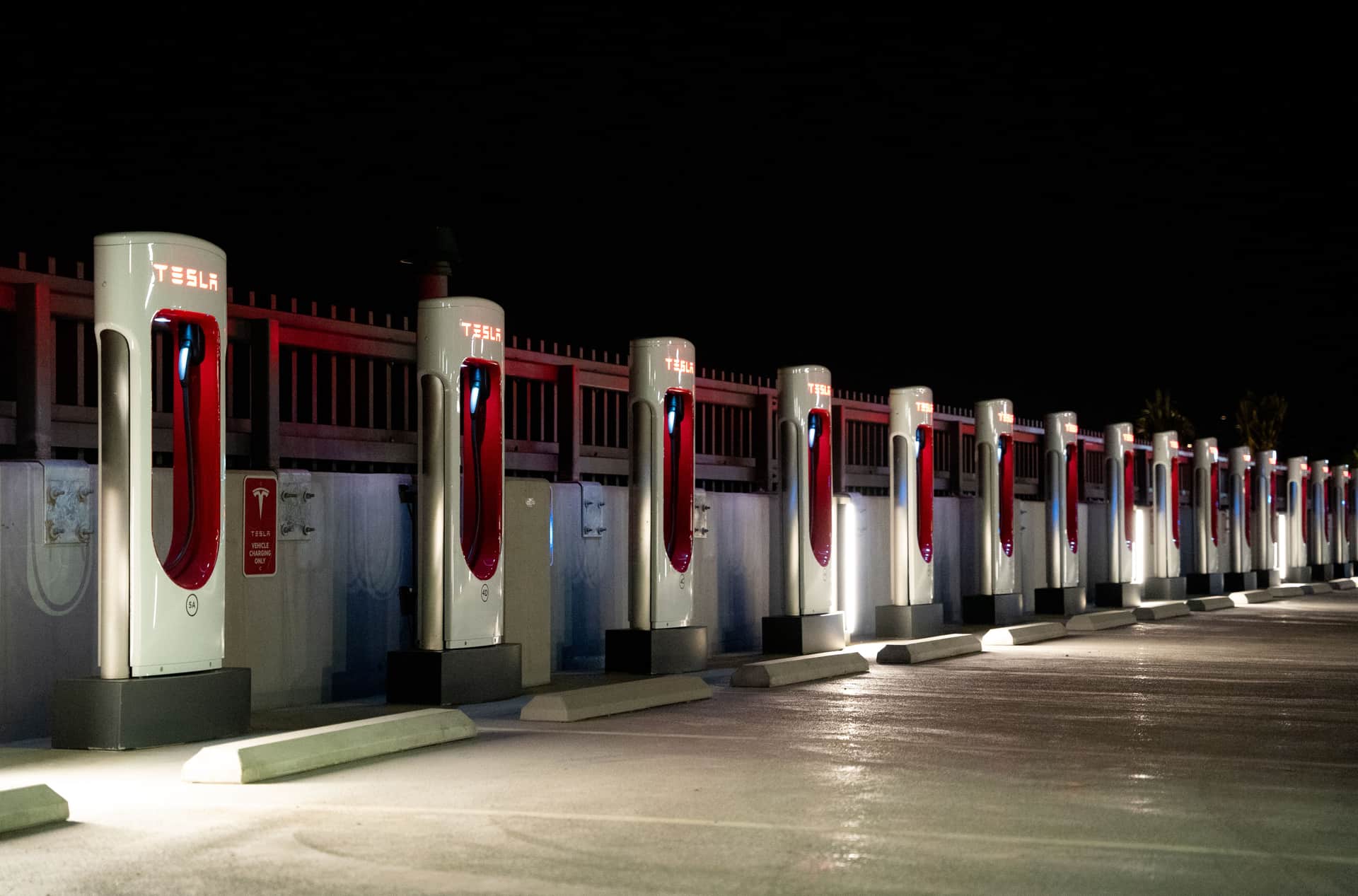
The four things that decide your install cost
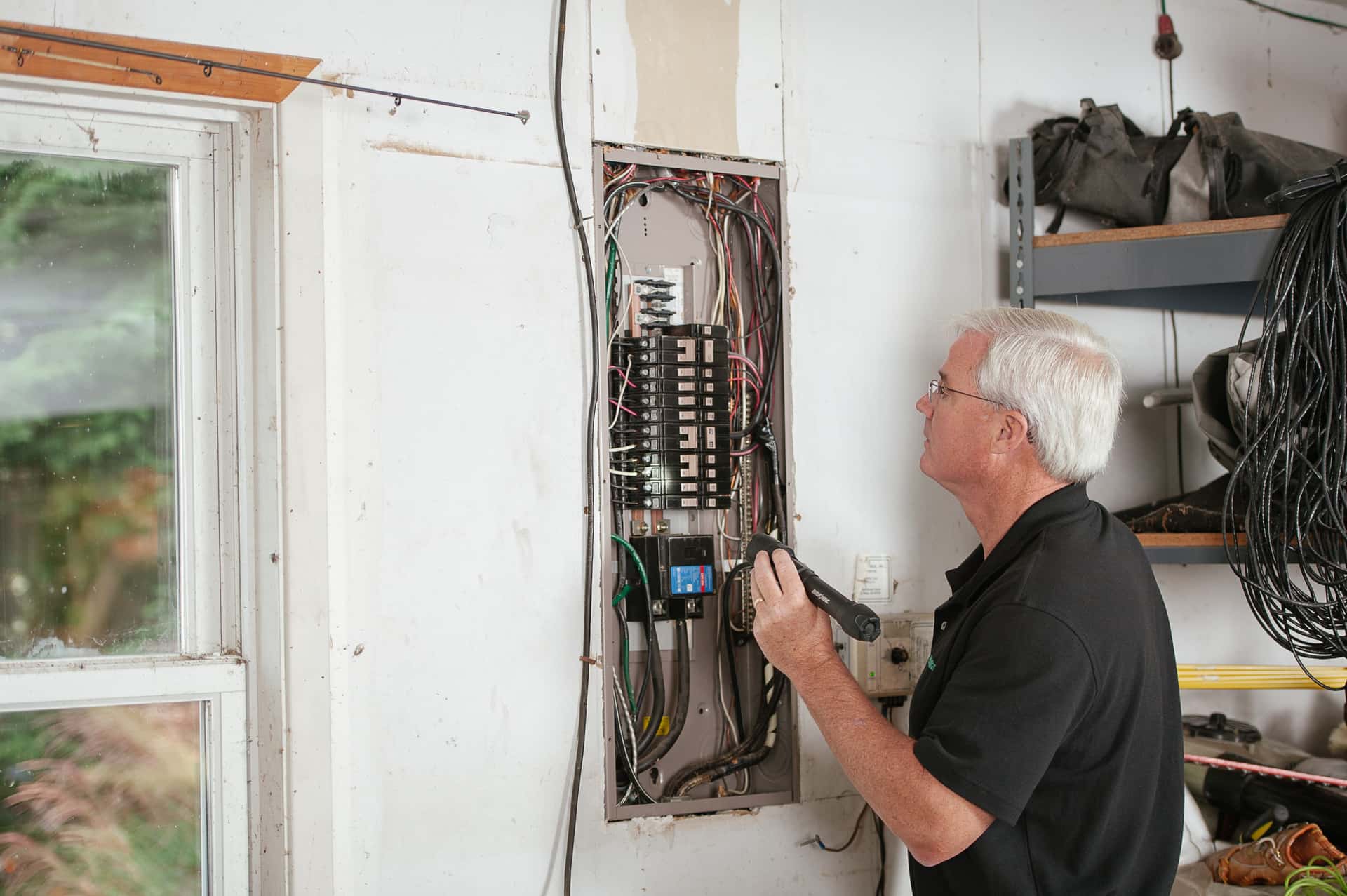
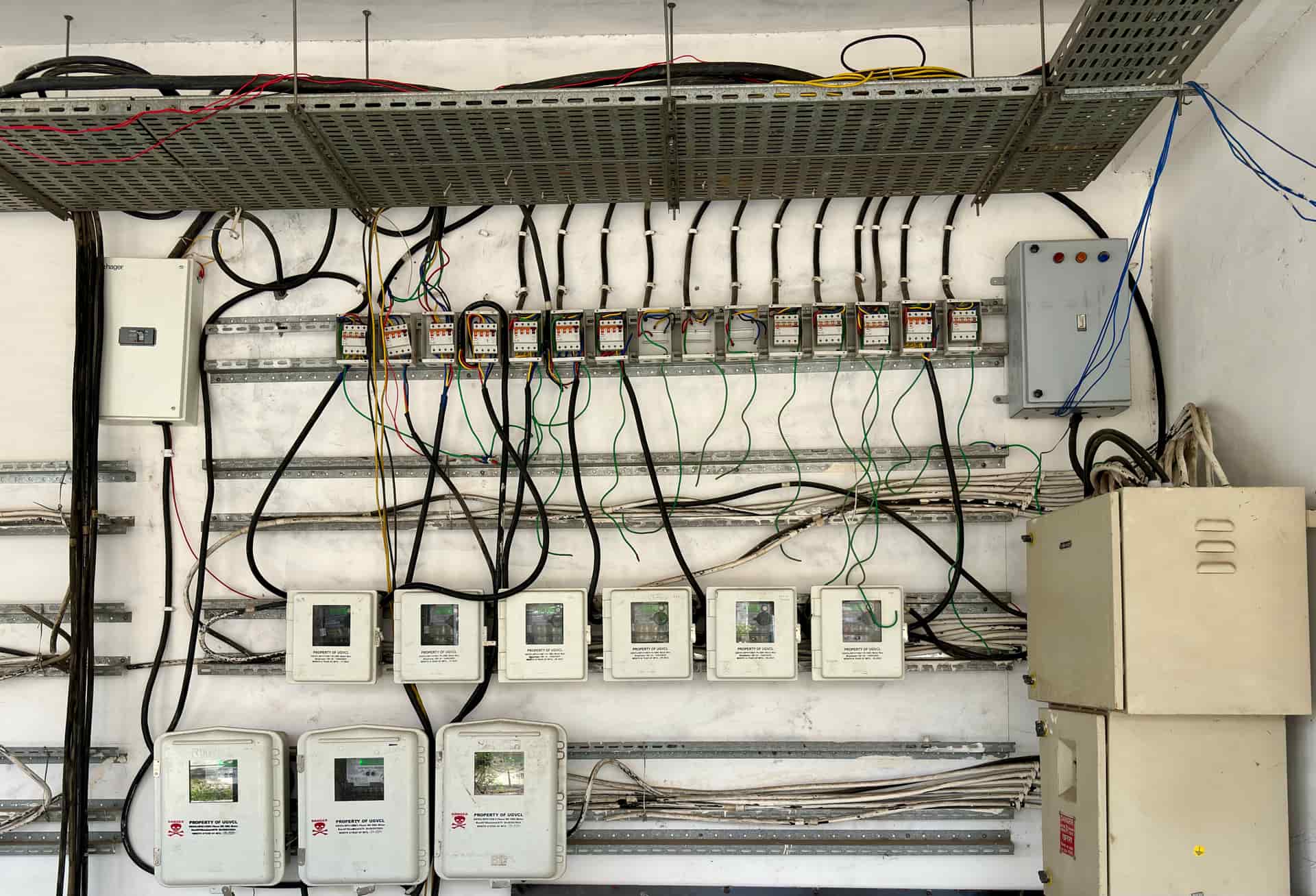
1. Distance from the panel. The single biggest labor variable is how far the charger sits from your electrical panel. A charger on the garage wall next to the panel is a quick job; one on the far side of the house needs a long wiring run, possibly through finished walls, and the labor climbs with every foot.
2. Spare panel capacity.A charger is a continuous load, so by the NEC’s 80% rule a 40-amp charger needs a 50-amp breaker and a 48-amp charger needs a 60-amp breaker. If your panel already has that headroom, you just add a breaker. If it doesn’t, you’re looking at a load-management device or a panel upgrade — the wildcard that can double the total.
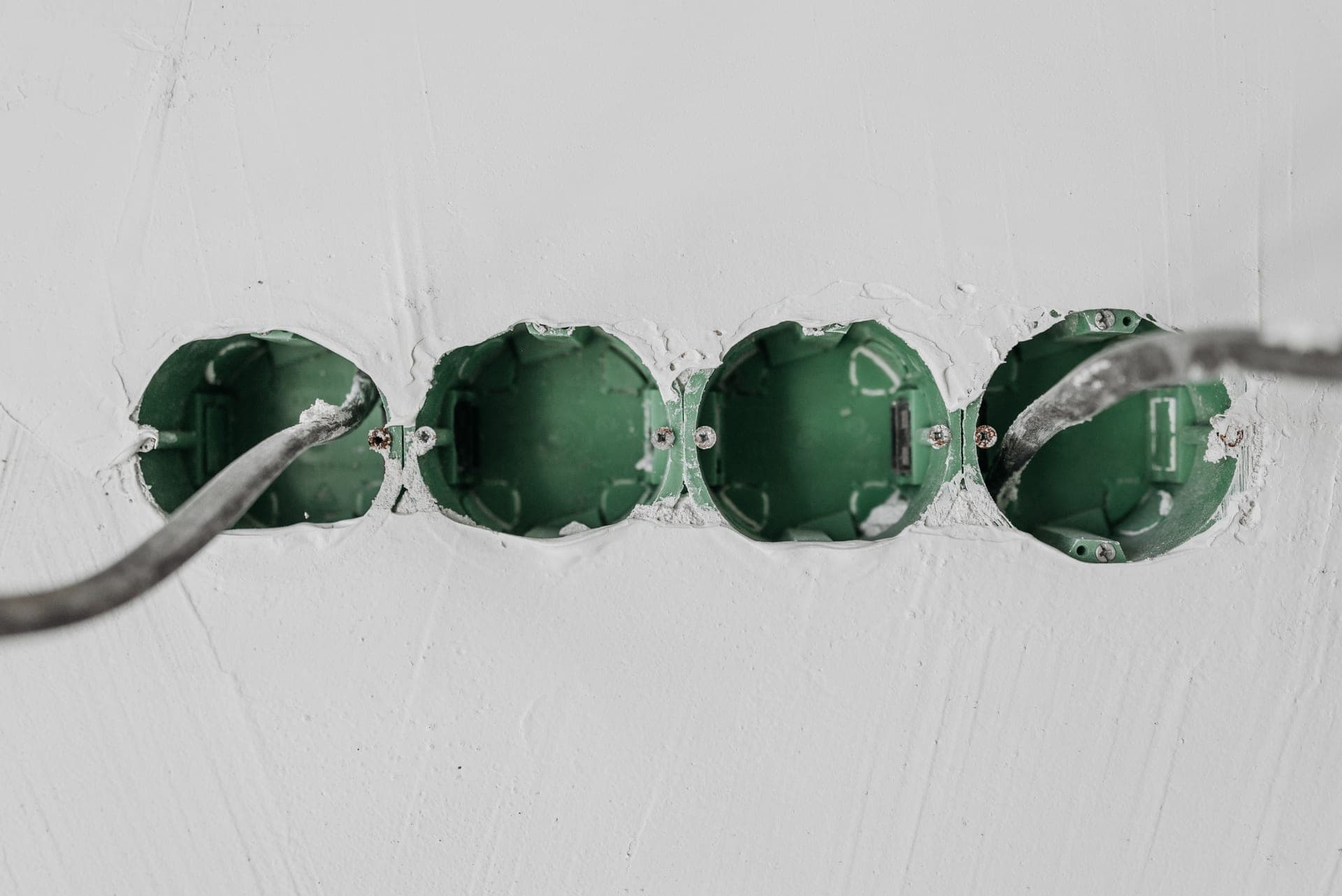
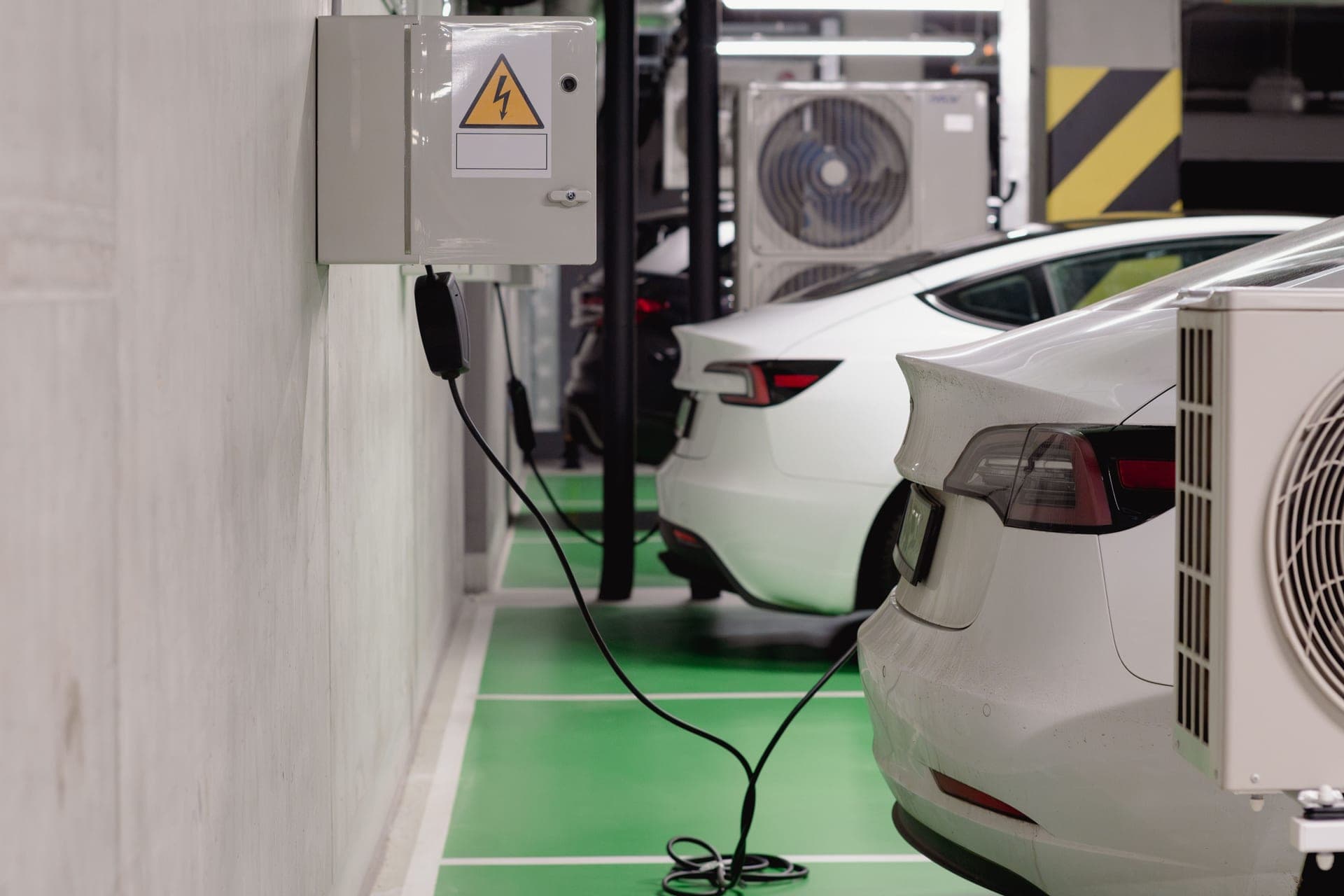
3. Plug-in vs hardwired. Installing a NEMA 14-50 outlet and plugging in is often a bit cheaper and keeps the charger movable; hardwiring is required for 48 amps and for many fully-outdoor installs. Code now generally requires GFCI protection on a plug-in EV circuit, which affects the breaker cost.
4. Permit and inspection.Most jurisdictions require a permit for a new 240V circuit, and the inspection that follows is what protects you — it’s a feature, not a tax. It’s a modest line item, but skipping it to save money is a false economy that can void insurance and create a hazard.
Where to start
Begin with your panel. Before you fall in love with a 48-amp charger, check whether your service can carry it — our panel-capacity guideshows you how, and it’s the fastest way to avoid buying more charger than your home can use. Then read the full cost breakdownso the electrician’s quote holds no surprises. From there, our wire and breaker sizing guide gives you the questions to ask, permits and inspection explains what gets checked and why, and can you install it yourself draws the line between the homeowner half of the job and the licensed half. If a charger is already in and the breaker keeps tripping, start with the GFCI guide— and if the car simply sits there doing nothing, work through this instead.
Three things worth deciding before the quote
If the panel came back tight, don’t assume a service upgrade is the only answer — load management often changes the load calculation enough to make a charger fit on the amps you already have. If the garage is detached or a long way from the panel, ask whether a subpanelis cheaper than one long circuit; it usually is, and it leaves room to add things later — and if the garage really is a separate building, our detached-garage guide scopes the trench, the feeder, the network and the winter before the quote. And spend ten minutes on where the charger actually goes before anyone quotes, because the mounting position drives both the conductor run and whether the cable will reach the way you park.
Three situations the standard guides assume away
Most install advice assumes a garage, a nearby panel and a charger that stays put forever. If any of those is not true: charging without a garage covers carports, open driveways and the one parking situation we cannot solve; do you need a GFCI breaker? answers the question that holds up more installs than any other, and explains why the answer differs for plug-in and hardwired; and taking the charger when you move is worth reading before you choose an install type, not after.
The circuit questions that come up before the quote
Three more guides deal with what people try instead of a new circuit. Does an EV charger need a dedicated circuit? is the one to read first, because the answer closes off most of the clever plans — splitters, sharing with the dryer, the old welder outlet — and then sets out the two legitimate ways to run two cars from one circuit. Can you run an EV charger from a dryer outlet? takes the most common version of that plan apart in detail: a 30-amp circuit caps you at 24 amps, no charger we track ships the right plug, and the dryer is still on it. And does an EV charger need surge protection? answers a question with no EV-specific rule behind it: no charger we track publishes a surge rating, but the code has required a device at the service panel on new and replaced services since the 2020 edition.
Frequently asked questions
How much does it cost to install a Level 2 charger?
The charger is typically $250 to $700, and professional installation of the circuit commonly adds a few hundred to around $1,200, depending mainly on distance from the panel and spare capacity. A panel upgrade, if needed, is the big variable and can add substantially more.
Do I need a permit to install an EV charger?
In most US jurisdictions, yes — a new 240V circuit requires a permit and an inspection. That inspection protects you and your insurance; it's a small cost and skipping it is a false economy.
Can I install a Level 2 charger myself?
The charger often just mounts and plugs in, but the 240V circuit behind it — breaker, wiring, outlet or hardwire — should be installed by a licensed electrician and inspected. It's a real high-amperage circuit, not a DIY outlet swap.
Sources
- U.S. DOE Alternative Fuels Data Center — Charging Electric Vehicles at Home — US DOE on home EV charging: most owners charge overnight on Level 1 or Level 2, installs follow NEC Article 625, with example home-charging costs (accessed July 19, 2026)
- NFPA — Using the Latest NEC for EV Charger Installations — NFPA on NEC (NFPA 70) Article 625: EV charging is a continuous load, so circuits are sized to 125% of load (the 80% rule) (accessed July 19, 2026)
- ENERGY STAR — Electric Vehicle Chargers — ENERGY STAR on EVSE efficiency: certified chargers use about 40% less energy in standby than non-certified units (accessed July 19, 2026)